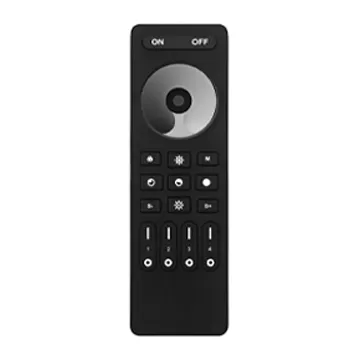
Choosing between LED spotlight and LED downlight is not only a design decision, but also a functional one that affects how comfortable, practical, and visually balanced a space feels. Both are widely used in modern residential and commercial lighting systems, yet they serve fundamentally different roles.
In most interior projects, the question is not which one is “better,” but which one is more suitable for a specific space and lighting purpose. Understanding their differences helps you build a lighting system that is both efficient and visually appealing.
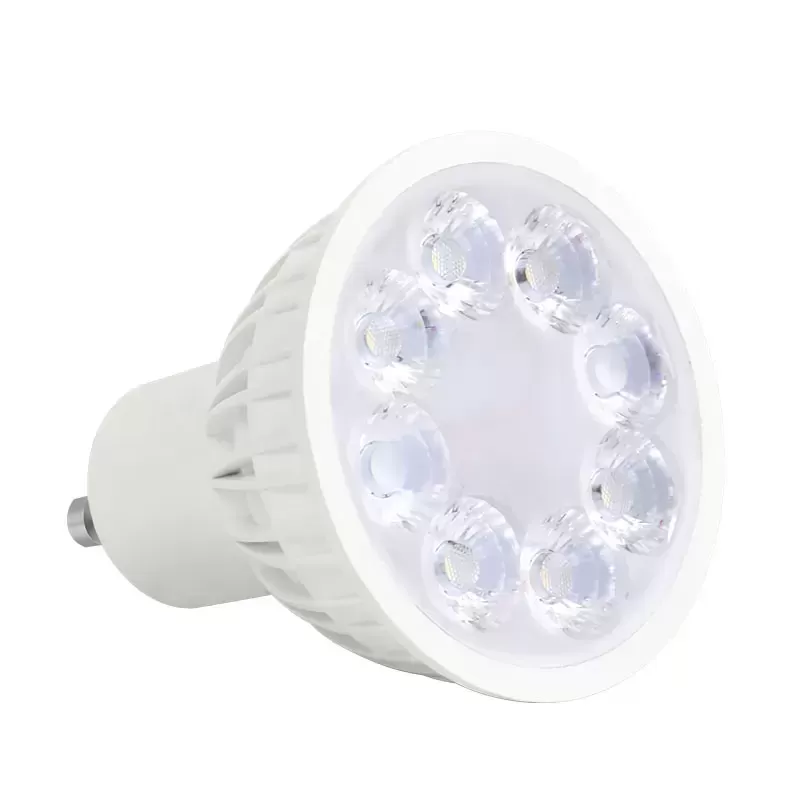
An LED spotlight is a directional lighting fixture designed to concentrate light into a narrow beam. It is used to highlight specific areas, objects, or architectural features. Products such as RGB spotlight indoor are commonly used in accent lighting scenarios where focus and contrast are needed.
Unlike general lighting, spotlights are not intended to evenly illuminate an entire room. Instead, they guide visual attention and create depth within a space. This makes them especially useful in layered lighting designs.
An LED downlight is a recessed ceiling fixture that provides wide, uniform illumination. It is installed into the ceiling so that only the light output is visible, creating a clean and minimal appearance. Popular models are widely used in both residential and commercial environments.
Downlights are often the foundation of indoor lighting because they deliver consistent brightness across an entire room without visual clutter.
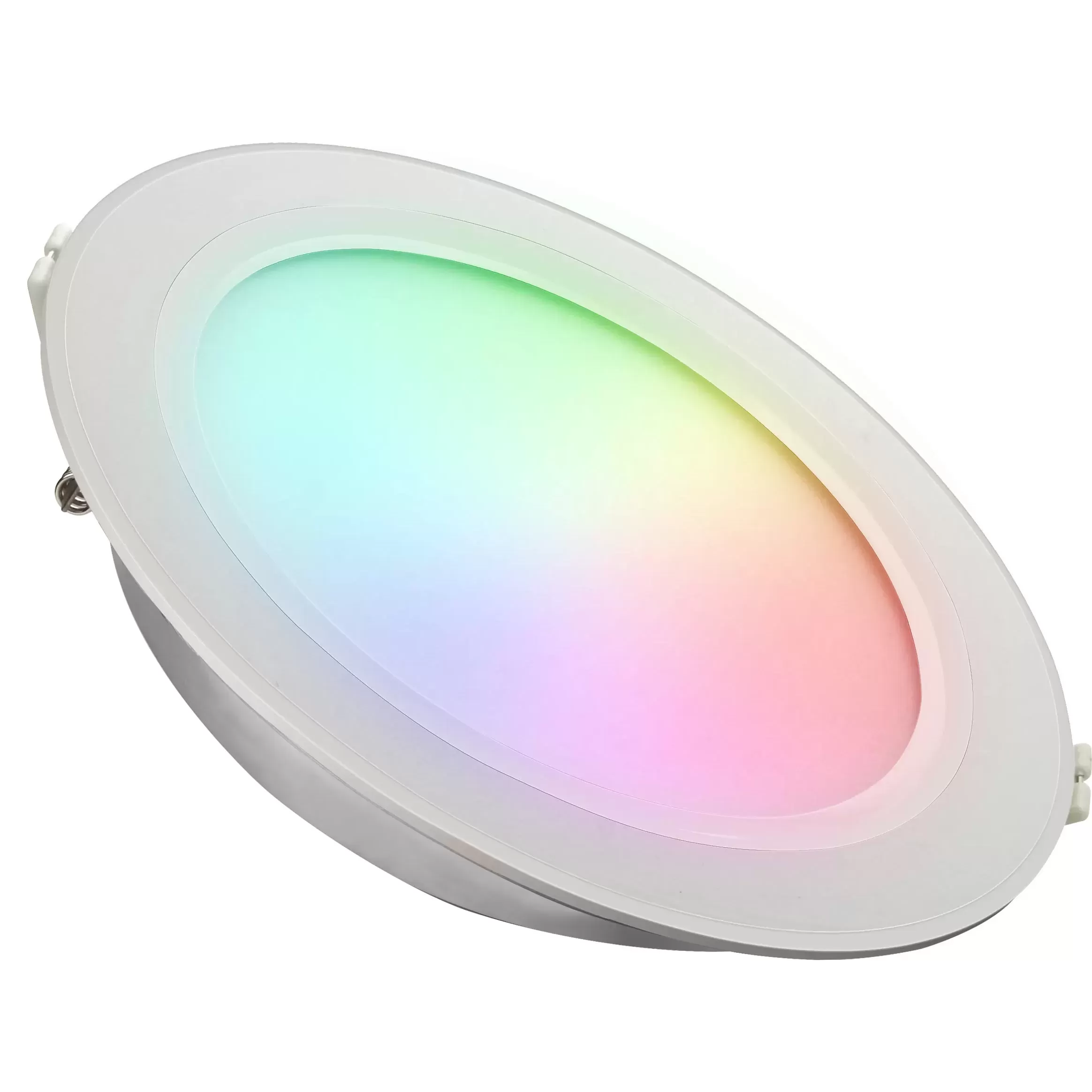
The most obvious difference lies in how light is distributed. A LED spotlight produces a focused beam that can be directed at specific angles, while an LED downlight spreads light evenly across a larger area.
This means spotlighting creates contrast and emphasis, while downlighting produces balance and uniformity. In practice, spotlights are often used to highlight selected zones, while downlights provide the overall lighting base.
Spotlights are typically used for accent lighting. They highlight artwork, decorative walls, shelves, or architectural details. Downlights, on the other hand, are designed for general illumination, ensuring that spaces remain bright and comfortable for daily activities.
For example, kitchen ceiling spotlights may highlight a cooking area or backsplash, while living room downlights provide consistent brightness for the entire room.
Lighting significantly influences how a space feels. A room dominated by LED spotlights indoor tends to feel dynamic, dramatic, and visually layered. However, without sufficient downlighting, it may feel uneven or overly contrasted.
A room using mainly LED downlights indoor feels clean, bright, and stable, but it may lack visual depth unless complemented by accent lighting. This is why modern interior design rarely relies on only one type of lighting.
Modern lighting systems now include smart control features for both types. Many LED smart spotlights support dimming, color temperature adjustment, and RGB color control.
With smart control, users can shift lighting scenes from functional brightness during the day to warm ambient lighting in the evening, improving comfort and energy efficiency.
LED spotlights indoor are ideal when you want to emphasize specific features in a space. This includes wall textures, artwork, sculptures, or decorative furniture. Their directional beam allows precise control over where attention is drawn.
In homes, spotlights are often used to create atmosphere rather than general brightness. For example, bedroom spotlights LED can be used near headboards or reading areas to provide soft directional light without illuminating the entire room.
Similarly, spot lights bedroom setups are often used to create relaxing or romantic lighting environments, especially when paired with dimming or RGB functionality.
In commercial environments, commercial LED spotlights are essential for product presentation. They are used in retail stores, galleries, and showrooms to highlight specific items and guide customer attention.
A well-placed spotlight can significantly improve product visibility and perceived value by controlling contrast and focus.
Modern LED smart spotlights support advanced lighting scenes. Users can adjust brightness, color temperature, and RGB settings to match different moods or events. This makes them suitable for entertainment spaces or flexible interior designs where lighting needs change frequently.
LED downlights indoor are the backbone of most modern lighting systems. They provide consistent brightness across entire rooms, making them suitable for everyday use in living rooms, bedrooms, and hallways.
Products such as 12W downlight, 9W LED downlight, and 6W dimmable LED downlights are commonly selected based on room size and brightness requirements.
In kitchens, proper lighting is critical for safety and efficiency. Kitchen ceiling spotlights ensure that countertops, cooking areas, and storage spaces are clearly visible.
Downlights are especially important here because they reduce shadows and provide uniform illumination across work surfaces.
In offices, hotels, and corridors, commercial LED downlights are widely used due to their clean ceiling integration and consistent light output. They create a professional and visually calm environment without distracting glare or visual clutter.
Downlights are often preferred in minimalist interiors because they are recessed into the ceiling. This design keeps the ceiling visually clean and avoids interference with furniture or decoration styles.
In most professional lighting designs, LED spotlights indoor and LED downlights indoor are used together rather than separately. Downlights provide the base layer of illumination, while spotlights add focus and depth.
For example, in a living room, downlights ensure general brightness, while spotlights highlight a TV wall or decorative artwork. In kitchens, downlights illuminate the entire space, while spotlights focus on cabinets or cooking areas.
This layered approach is widely used because it creates both functionality and visual interest.
Laimi is a professional LED lighting manufacturer specializing in advanced indoor lighting solutions, including LED spotlight, LED downlight, and smart lighting systems. The brand focuses on RGBCCT technology, enabling users to adjust brightness, color temperature, and RGB color output through intelligent control systems.
Laimi products cover a wide range of applications, including LED spotlights for home, commercial LED downlights, and smart lighting fixtures compatible with RF, Zigbee, and APP-based control systems. These solutions are designed for residential, commercial, and hospitality projects.
By combining optical engineering with smart control technology, Laimi supports flexible lighting environments that adapt to different user needs. Whether for simple home lighting or complex commercial installations, the brand offers scalable lighting solutions that can be customized for different spaces.
Across its product line, Laimi emphasizes energy efficiency, installation convenience, and long-term stability, making its lighting systems suitable for modern architectural requirements.
If your primary goal is focused lighting, decorative emphasis, or highlighting specific objects, LED spotlight( is the more suitable choice. If you need uniform brightness, clean ceiling design, and reliable general lighting, LED downlight is the better option.
In modern interior design, the most effective lighting systems rarely rely on a single fixture type. Instead, they combine both spotlights and downlights to achieve balance, depth, and functionality.
The decision between LED spotlight and LED downlight ultimately depends on how you want your space to function and feel. Spotlights bring focus, depth, and visual emphasis, while downlights provide stability, brightness, and overall clarity.
When used together, they form a complete lighting system that supports both practical needs and aesthetic goals. With modern smart lighting technology and solutions like those from Laimi, it is now easier than ever to build flexible, efficient, and visually refined indoor lighting environments.

E-mail:
Phone:
Add:
 EN
EN