In today’s interior design market, lighting is no longer treated as a finishing detail added at the end of a project. More architects, contractors, developers, and lighting distributors are now planning lighting systems from the very beginning because they understand one important fact:
Lighting shapes how a space feels, functions, and sells.
Whether it is a hotel lobby, a retail showroom, a modern apartment, or a restaurant chain, the demand for flexible and visually clean lighting continues to grow. This shift is pushing smart LED downlight products into the spotlight of modern indoor lighting projects.
Compared with traditional ceiling fixtures, RGB CCT downlight systems provide greater design freedom, energy efficiency, and smart control integration. For project buyers and interior solution providers, these advantages are becoming increasingly valuable.
Indoor spaces today serve multiple purposes. A café may function as a workspace during the day and a social venue at night. Hotel rooms need to support relaxation, work, entertainment, and ambiance simultaneously. Residential developers also face rising expectations from buyers who want smarter and more personalized living environments.
Because of this, fixed single-tone lighting is gradually losing appeal.
Modern projects increasingly require lighting systems that can adapt to different scenes and usage needs. This is why RGB smart downlight solutions are becoming more common in both residential and commercial interiors.
Adjustable brightness and tunable color temperature allow one lighting system to create different moods throughout the day. Meanwhile, RGB functionality adds visual flexibility for hospitality, entertainment, and lifestyle-focused environments.
For project planners, this versatility reduces the need for multiple lighting types while increasing the value of the final space.
Minimalist interiors continue dominating global design trends. Designers want ceilings to look clean, modern, and uncluttered, especially in high-end residential and commercial projects.
This has made indoor LED downlights one of the most preferred ceiling lighting solutions.
Unlike hanging fixtures or oversized lamps, recessed premium LED downlights integrate naturally into ceilings without interrupting architectural lines. The lighting feels elegant and professional while maintaining strong illumination performance.
This design approach is especially popular in:
Retail stores
Hotels and resorts
Commercial offices
High-end apartments
Restaurants and cafés
Showrooms and exhibition spaces
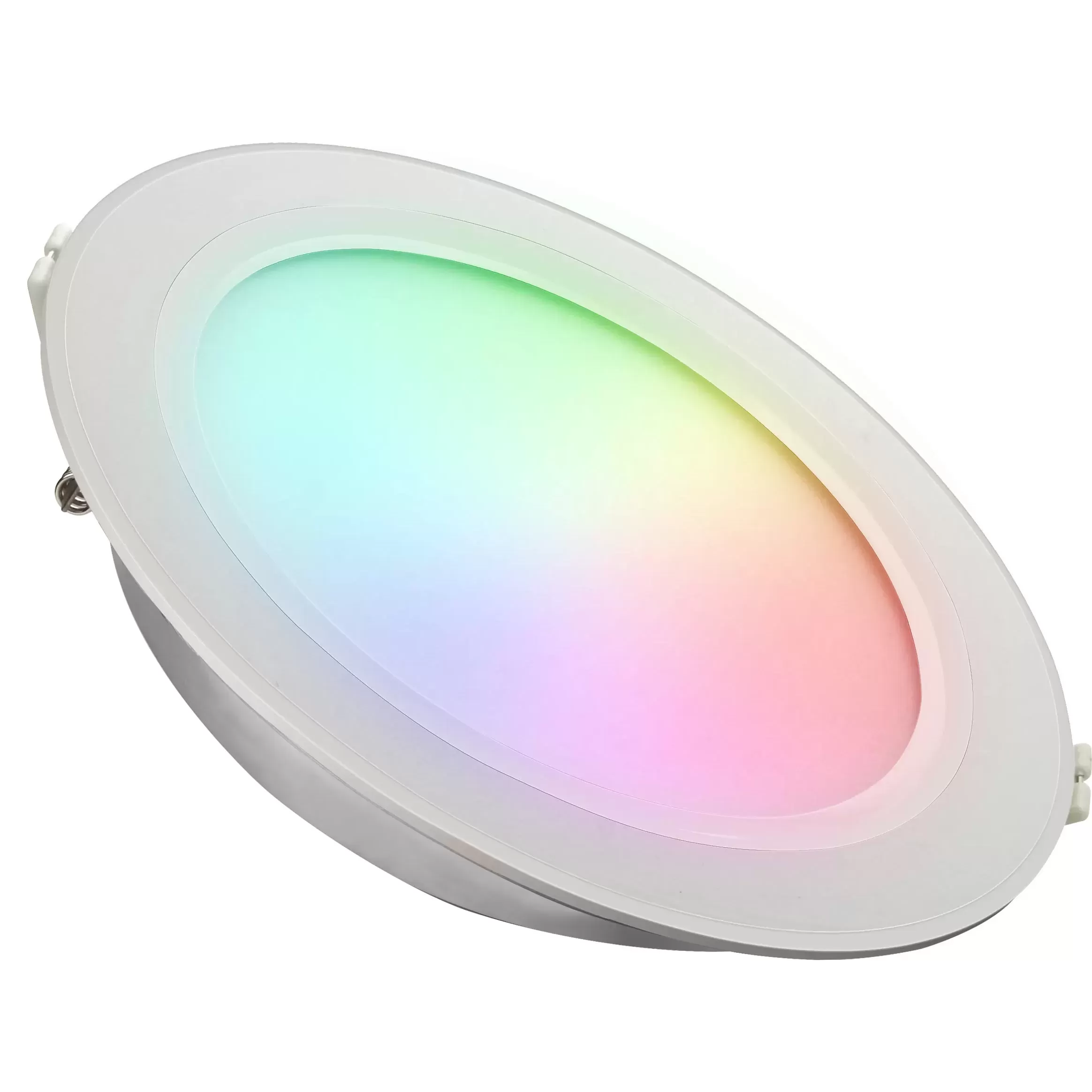
For developers and contractors, recessed downlights also offer easier design consistency across large-scale projects.
The rapid growth of smart building technology has changed customer expectations around lighting control.
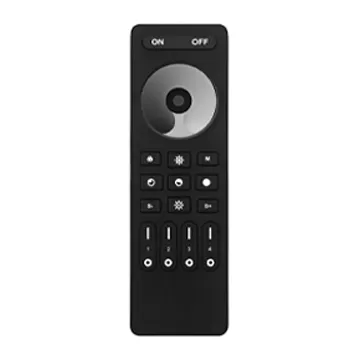
Many property owners now expect lighting systems to integrate with mobile apps, remote controls, or centralized automation platforms. As a result, products like smart RGB LED downlights are becoming increasingly important in project specifications.
Smart lighting control offers several advantages for large indoor environments:
· Easier scene management
· Centralized lighting control
· Reduced energy consumption
· Improved user convenience
· Flexible atmosphere adjustment
In hospitality environments, lighting scenes can shift automatically between daytime and evening operation. In offices, brightness schedules can improve energy efficiency. In residential projects, users can personalize lighting through apps without additional hardware complexity.
Because of these benefits, smart downlights are no longer viewed as niche technology products. They are quickly becoming standard expectations in modern indoor projects.
Lighting requirements vary significantly depending on room size and application type. This is why flexible wattage selection is critical for project planning.
A 6W downlights configuration works well for corridors, decorative lighting, wardrobes, and compact residential spaces.
A 9 watt LED downlight is often selected for bedrooms, offices, and medium-sized living areas where balanced brightness is needed.
Larger spaces such as hotel lobbies, open commercial interiors, or residential living rooms may require 12 watt LED solutions for stronger overall illumination.
Modern suppliers that provide multiple wattage options help contractors and designers maintain consistent lighting aesthetics across different areas within the same project.
RGB lighting was once mainly associated with decorative or entertainment spaces. Today, however, RGB downlight LED systems are widely used in commercial and architectural lighting design.
Restaurants use RGB scenes to create atmosphere transitions throughout the day. Retail stores apply color accents to enhance product displays. Hospitality projects use adjustable RGB environments to improve guest experience.
Even modern residential developments increasingly include dimmable and color changing LED downlight systems as premium selling features.
The ability to combine functional white lighting with customizable RGB effects allows developers and designers to create spaces that feel more dynamic and memorable.
For lighting distributors and project suppliers, RGB functionality also increases product differentiation in highly competitive markets.
As project requirements become more demanding, buyers are paying closer attention to lighting suppliers(https://www.laimiled.com/) that combine smart technology, stable product quality, and flexible product compatibility.
This is one reason Laimi has gained growing attention in the indoor lighting industry.
The company focuses on modern RGB CCT downlight systems, and smart lighting solutions designed for contemporary residential and commercial applications.
One advantage of Laimi products is multi-platform smart compatibility. Depending on project needs, customers can choose RF, Zigbee, or Bluetooth Mesh versions for easier integration into different lighting systems.
Laimi also provides multiple wattage options, including 6W LED downlight, 9W LED downlight, and 12 watt downlight models, helping contractors and distributors match products with different project scales and lighting requirements.
Another important advantage is product appearance. Slim recessed structures and minimalist finishes allow Laimi lighting products to integrate smoothly into modern interiors without affecting ceiling aesthetics.
For companies handling hotels, apartments, retail stores, and commercial renovation projects, this balance between smart functionality and architectural simplicity is increasingly important.
While smart features attract attention, energy efficiency remains one of the most practical reasons developers and facility operators continue upgrading to LED downlight systems.
Compared with traditional lighting technologies, modern commercial LED lights indoor products consume significantly less electricity while maintaining high brightness performance.
Lower maintenance requirements also reduce long-term operational costs, especially in projects involving hundreds or thousands of lighting fixtures.
For commercial property owners, this creates long-term savings while improving lighting quality and visual appeal simultaneously.
As sustainability standards become stricter across global construction markets, efficient lighting systems are becoming essential rather than optional.
The indoor lighting market is moving toward more intelligent, connected, and adaptive solutions.
Customers now expect lighting systems that can combine:
Energy efficiency
Smart control
Architectural aesthetics
RGB atmosphere adjustment
Long operational lifespan
Flexible installation compatibility
Because of this shift, products like smart LED downlights are becoming increasingly important across residential and commercial lighting projects.
For developers, distributors, contractors, and interior solution providers, choosing the right lighting partner now affects not only illumination performance but also overall project competitiveness.
Modern lighting is no longer just about brightness.
It is about delivering better indoor experiences, improving spatial atmosphere, and creating environments that feel smarter, cleaner, and more adaptable for the people who use them every day.

E-mail:
Phone:
Add:
 EN
EN