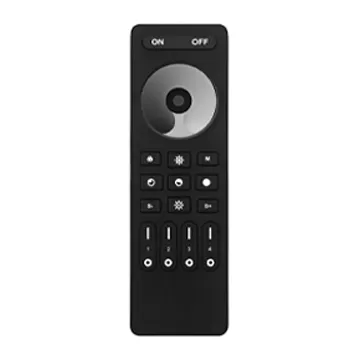
Think about the last time you walked into a room and immediately felt comfortable—or, on the contrary, slightly irritated without knowing why. In most cases, it wasn’t the furniture or the color of the walls. It was the light.
Indoor lighting quietly controls how people experience space. It affects mood, energy levels, focus, and even how long we want to stay in a room. Modern indoor lighting is no longer just about visibility. It’s about shaping human experience—making spaces feel warmer, calmer, sharper, or more energetic depending on what people need at that moment.
This is why lighting systems such as LED indoor strip lights have become essential in both homes and commercial environments. They are no longer “background tools”—they are part of daily life design.
Humans are naturally sensitive to light. It guides sleep, attention, emotion, and even productivity. Too harsh, and a room feels stressful. Too dim, and everything feels heavy and uninviting.
That’s why everyday spaces rely on balanced solutions like indoor room lights. These systems are designed to create a stable baseline of visibility so that people can function comfortably without even thinking about it.
But comfort is not universal. A living room needs flexibility. That’s why indoor lights for living room often combine brightness with softness—bright enough for activity, soft enough for relaxation. In contrast, indoor lights for bedroom tend to be warmer and calmer, helping the body naturally wind down.
Lighting, in this sense, is not decoration. It is biological support.
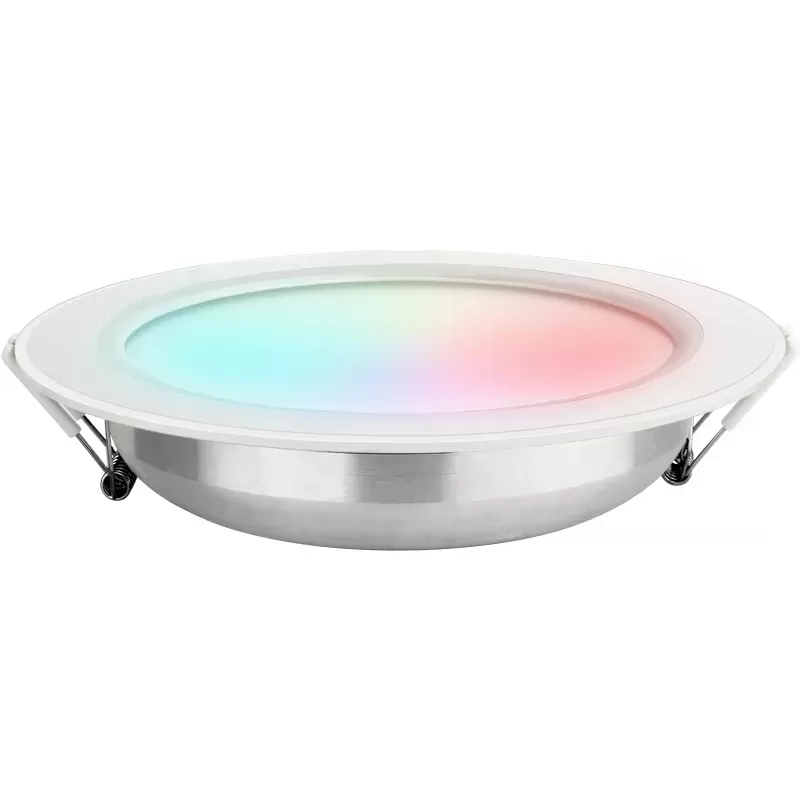
Step into a well-lit office or store, and you instantly feel it—clarity, focus, structure. Now compare that to a poorly lit space, where everything feels slower and less efficient.
This is where commercial indoor LED lighting fixtures play a critical role. These systems are designed not just to illuminate, but to sustain long hours of performance.
In commercial environments, lighting must do three things at once: keep people alert, reduce fatigue, and present a professional visual identity. It’s a delicate balance, and LED systems are now the standard because they maintain consistent brightness with low energy consumption.
Good lighting in a workspace doesn’t just help people see better—it helps them think better.
In industrial environments, lighting becomes even more serious. Here, visibility is directly tied to safety and accuracy. Shadows, uneven brightness, or flickering light are not just inconvenient—they can be dangerous.
That’s why industrial indoor lighting are engineered for performance under pressure.
These systems are built to cover large areas with strong, uniform brightness. In warehouses, factories, and production spaces, lighting supports everything from machine operation to quality inspection. In these settings, light is not about atmosphere—it is about control and precision.
Not all lighting is about tasks. Some of it is about feeling.
This is where modern indoor RGB lighting changes everything. Light is no longer fixed—it becomes adjustable, expressive, even playful. Warm tones can turn a room into a relaxing space after a long day. Cooler tones can sharpen focus during work. Colored lighting can completely transform a room’s personality for gatherings or entertainment.
At the same time, decorative systems like LED indoor strip lights add depth to interior design. Instead of lighting everything evenly, they create layers—soft glows behind furniture, gentle lines along ceilings, subtle highlights in corners.
These lighting techniques don’t just brighten a room—they give it dimension, mood, and character.
Even functional solutions like living room indoor wall lights now play a dual role: part illumination, part interior styling.
People don’t live in one mood all day. Morning feels different from evening. Work feels different from rest. A modern lighting system has to adapt to all of it.
That’s why products like indoor LED light fixtures are evolving rapidly. Adjustable brightness, tunable white, and RGB control are becoming standard expectations rather than premium features.
Lighting today is expected to respond to life—not the other way around.
In practice, this means a single room can shift through multiple identities:
· Bright and focused during work
· Soft and warm during dinner
· Calm and dim before sleep
· Colorful and dynamic during gatherings
Lighting has become a tool for emotional and functional transition.
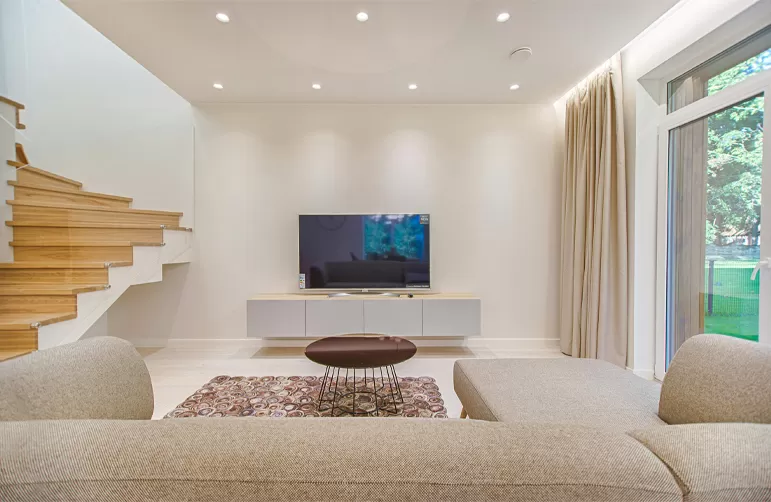
In this evolving lighting landscape, Laimi stands out as a manufacturer focused on combining practicality with modern smart lighting design. The company develops a wide range of solutions, including indoor LED light fixtures designed for different environments.
What makes Laimi’s approach notable is its focus on control flexibility. Its systems support RF, Zigbee, and smart APP integration, allowing users to adjust lighting in real time based on their needs. Whether it’s changing brightness for reading, shifting color temperature for comfort, or setting RGB scenes for atmosphere, the goal is simple: lighting should adapt to people.
Laimi’s products are used across residential homes, commercial buildings, and industrial projects, offering scalable solutions that match different levels of complexity. In homes, they enhance comfort and atmosphere. In commercial spaces, they improve clarity and customer experience. In industrial environments, they ensure reliability and efficiency.
Instead of treating lighting as a fixed installation, Laimi treats it as a flexible system that evolves with space and user behavior.
Homes are where lighting becomes most personal. Unlike offices or factories, residential spaces carry emotional weight. They are where people rest, connect, and recharge.
This is why indoor lights for bedroom are designed for softness and calmness, while indoor lights for living room must balance comfort with activity. Kitchens, hallways, and shared spaces all require different lighting behaviors, even within the same house.
Layered systems combining ceiling lights, wall lights, and strip lighting are now common because they mirror how people actually live—flexibly, not statically.
The next stage of indoor lighting is already emerging. Lighting will not just respond to switches—it will respond to people.
Future systems will adjust automatically based on time of day, presence, activity, and even mood patterns. Smart sensors and AI-driven controls will make lighting feel less like a device and more like an environment that understands you.
LED technology is the foundation of this shift, and systems like LED indoor spot lights and smart-controlled fixtures are already pointing in that direction.
Indoor lighting has evolved from a basic utility into something far more meaningful. It influences how people feel, how they perform, and how they experience space.
From indoor lights for house to commercial indoor LED lighting fixtures, modern systems are designed around one idea: people first.
And as lighting continues to evolve, brands like Laimi are helping shape a future where light is not just seen—but felt, controlled, and personalized.
Because in the end, good lighting doesn’t just brighten a room. It changes how you live in it.

E-mail:
Phone:
Add:
 EN
EN